Wine opens a door to the rich traditions of French vineyards without emptying your wallet. After spending considerable time researching French Chardonnays priced under $50, I tracked down several bottles that combine great flavor with balance and affordability. This guide explains what to expect from these wines, covering details about their regions, tasting profiles and even tips on how to pick them up via wine subscription services.
The Allure of French Chardonnay Under $50
French Chardonnay is celebrated for its finesse and unique character. While many assume that only expensive wines can be outstanding, numerous producers in France craft bottles that deliver quality and depth at an accessible price. I have personally sampled labels that offer crisp acidity, delicate oak influences and fruit-driven profiles—all suited for casual dinners, celebrations or a quiet evening at home.
This guide is organized into clear sections that cover everything from the vineyards themselves to smart buying tips. Each part is designed to help you better understand the factors that contribute to a satisfying wine experience without overspending.
Key Regions for Affordable French Chardonnay
France produces Chardonnay across several regions, each with its own style and price range. Many affordable options originate from lesser-known areas yet still carry the signature elegance you expect from French wine.
Burgundy: Although Burgundy is renowned for high-end wines, there are entry-level options available. These wines often display classic mineral undertones and lively acidity that are hallmarks of the region, while remaining reasonably priced.
Languedoc: The Languedoc region offers a wide variety of wines that combine richness with freshness. Chardonnay from here tends to be more fruit-forward, with hints of tropical flavors; thanks to an emphasis on value, many bottles are found below the $50 mark.
The Loire Valley: At times, the Loire Valley produces elegant Chardonnays marked by bright acidity and vibrant citrus notes. Although not as famous for Chardonnay as other regions, this area can surprise budget lovers with its lighter, refreshing style.
Exploring the Tasting Profiles of French Chardonnay
The tasting experience is one of the best parts of enjoying French Chardonnay. Each bottle reveals a distinct personality shaped by its terroir and winemaking methods. Even when price is low, these wines can deliver a nuanced and rewarding flavor experience.
On the palate, most French Chardonnays under $50 tend to offer a balanced mix: you might pick up hints of citrus, green apple and a touch of pear. Some bottles bear a slight oak influence that brings subtle vanilla or toasted nuances without overwhelming the natural fruit flavors.
Tasting Notes
Typical tasting characteristics include:
- Fresh citrus aromas such as lemon and grapefruit.
- Faint hints of green apple and pear.
- Delicate mineral notes that echo the vineyard’s soil.
- A gentle touch of oak aging that brings out vanilla and cream elements.
These balanced profiles make the wine versatile. Whether enjoyed by itself or paired with food, a glass of French Chardonnay can suit many occasions without overpowering the senses.
How the Winemaking Process Influences Flavor
The methods used by winemakers in France deeply affect the final flavor of Chardonnay. Choices made during fermentation and oak treatment can either highlight the grape’s natural traits or add new dimensions to the wine.
For example, fermentation in stainless steel tanks helps preserve brightness and fruitiness, while fermenting in oak barrels may add complexity and a creamy texture. Some producers work with both techniques to strike a balance between freshness and richness. Knowing these methods can help you understand why two bottles from the same grape might taste very different.
Points to Consider
- Stainless steel fermentation usually results in a more vibrant, fruity wine.
- Oak barrel fermentation can introduce subtle spice and creaminess.
- A mix of these techniques often produces a well-balanced wine with clear fruit notes and a slight oak influence.
Food Pairings to Step Up Your Experience
Pairing food with French Chardonnay can elevate your overall enjoyment. I have experimented with several combinations that allow the wine’s best qualities to shine through.
For a lightly oaked Chardonnay, seafood dishes like grilled salmon or shrimp scampi work exceptionally well. The wine’s natural acidity cuts through the richness of the seafood and its fruit flavors complement the natural sweetness.
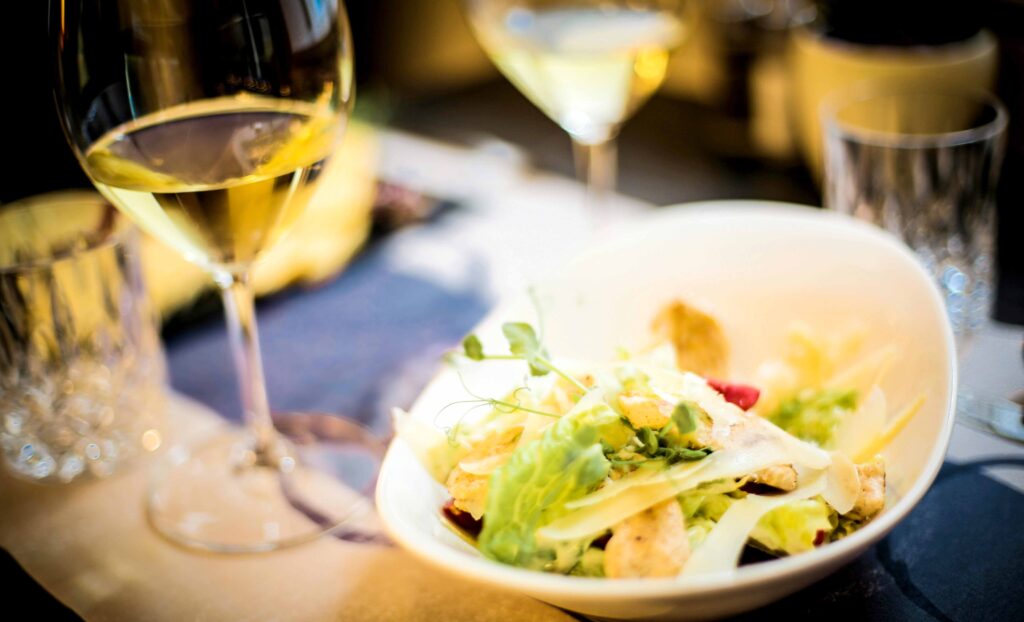
Even simple dishes—roasted chicken, creamy pasta or a fresh salad—pair beautifully with these wines. I also suggest pairing them with soft cheeses, which can give a boost to both the wine and your meal.
Understanding Wine Labels and Vintages
Wine labels are a useful roadmap to understanding how and where a wine was made. For French Chardonnays under $50, the label often provides clues about the region and production techniques, aiding you in deciding if the wine might suit your taste.
For instance, in Burgundy the village name might hint at a distinctive style or quality level. Many labels also note the extent of oak aging, a detail that can help you anticipate the flavor profile. When browsing, look for bottles with clear information—it makes comparing and tracking your favorite wines easier.
Wine Subscription Services for French Chardonnay
A smart way to explore French Chardonnay is by signing up for a wine subscription service. Some services not only include popular selections but also introduce you to lesser-known gems available for under $50.
These subscriptions smooth the way to trying a range of wines without the commitment of buying full bottles from each producer. Services like Wine Access and Firstleaf often include French Chardonnay in their monthly packages, offering detailed tasting notes and background information to deepen your understanding of each wine.
This approach is ideal for those who appreciate convenience and variety in their wine collection.
Getting the Best Value Without Sacrificing Quality
Finding a French Chardonnay that marries quality with affordability can be a challenge, but a few smart strategies can make it possible. Planning ahead and checking reviews are very important steps in tracking down wines that impress without a high price.
Start with local wine shops where experienced staff can offer recommendations. Online resources that gather wine ratings from both enthusiasts and critics are also excellent tools to help you narrow down your selections. With a bit of effort, you can find wines that offer a satisfying experience yet stay under the $50 limit.
Seasonal promotions and special offers at local retailers or through subscription services also increase your chances of discovering winemakers who skillfully balance cost and quality. A thoughtful search can lead to an excellent bottle for your table while opening up an enjoyable adventure in exploring French winemaking.
The Role of Ratings and Reviews
The insights of fellow wine lovers and critics can be an invaluable resource in choosing the right French Chardonnay under $50. I often turn to wine blogs, apps and professional reviews to get a feel for what to expect from a bottle.
Ratings help narrow down options when multiple choices are available. Look for recurring themes in reviews—mentions of crisp acidity, balanced oak treatment or harmonious fruit notes can be strong indicators of quality. Consistent feedback helps build trust, guiding you toward bottles that are likely to meet your expectations.
Expert Tips for Enjoying French Chardonnay
After sampling a variety of options and speaking with knowledgeable sellers and reviewers, I have jotted down several practical tips to help you make the most of your French Chardonnay experience.
Here are some pieces of advice to consider:
- Store your wine in a cool, dark place to keep its flavor intact.
- Allow the bottle to breathe for a short time before serving. This helps freshen the aromas and soften any harsh edges.
- Pair your wine with dishes that complement its natural profile. Light, fresh foods often work best.
- Keep a wine journal to note what you enjoy about each bottle. Over time, this practice can help you refine your palate.
- Be open to trying wines from smaller, lesser-known producers. Some of the best value bottles come from boutique vineyards that focus on quality rather than mass production.
Final Selections and Personal Tips
This guide has explored several dimensions of enjoying French Chardonnay under $50. I have shared insights into key wine regions, broken down tasting profiles and explained how winemaking methods affect flavor. In addition, practical tips—from reading labels to using subscription services—are offered to help you track down bottles that deliver a great experience at a reasonable price.
Sampling wines from Burgundy, Languedoc or even the Loire Valley can expose you to unique styles and flavor profiles. The traditional methods paired with modern twists ensure that these wines are both approachable and satisfying.
My personal experience suggests that you can find these wines at local wine shops, online retailers or through subscription services that drop new selections right at your door. Whether you are hosting a dinner party or enjoying a quiet night in, a well-chosen French Chardonnay can truly elevate the moment.
Enjoy exploring these bottles. May your adventure into affordable French wine be both delightful and enriching!